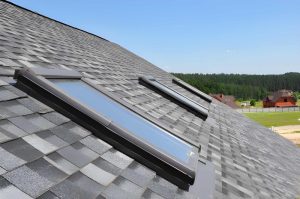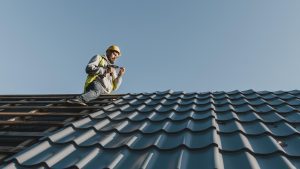

Cities and suburbs regularly run several degrees warmer than nearby rural land, and dark roofs are one of the main reasons. Asphalt shingles and traditional flat roof membranes absorb solar radiation all day, then release that stored heat into attics, living spaces, and the air outside.
The most effective way to fight the heat island effect at the building level is to replace heat-absorbing roof surfaces with reflective cool roofing, add insulation, and increase shade or vegetation around the property. These changes lower rooftop surface temperatures, reduce cooling loads, and make indoor conditions more stable during hot weather.
For homeowners and property managers, the timing often works out well: flat roofs are typically replaced every 15 to 20 years, which creates a natural opportunity to upgrade to a cooler system. Specialty Roofing of CA works with property owners across California to select roofing materials suited to local climate conditions and building type.
Key Takeaways
- Dense development and dark surfaces cause urban areas to hold more heat than surrounding regions.
- Reflective roofing and added insulation reduce surface temperatures and cooling energy use.
- Shade, vegetation, and cooler paving materials support roof upgrades on both residential and commercial properties.
Understanding Urban Heat And Its Effects
Cities across California can run several degrees warmer than nearby rural areas because dark, dense building materials absorb solar radiation and release it slowly. That temperature gap drives higher cooling bills, added strain on roofing materials, and measurable health risks during heat waves.
What Causes The Urban Heat Island Effect
The main driver is surface material. Asphalt, concrete, and dark roofing absorb sunlight and store it as heat, then radiate it back into the air well after sunset.
Loss of vegetation compounds the problem. Trees and grass cool their surroundings through shade and evapotranspiration, so paving over them removes a natural cooling system.
Other contributing factors include:
- Building density — tall structures trap heat in narrow corridors and block nighttime cooling breezes
- Waste heat — air conditioners, vehicles, and industrial equipment release heat directly into the street
- Low-reflectance surfaces — a conventional dark shingle roof can reach 150°F or more on a summer afternoon, compared with roughly 100°F for a reflective surface
- Limited moisture — storm drains carry water away quickly, eliminating evaporative cooling
Health, Energy, And Property Impacts
Elevated nighttime temperatures matter most for health. Without a cool-down period, the body has less chance to recover, which raises the risk of heat exhaustion and heat stroke for older adults, young children, and people with cardiovascular conditions.
Heat also degrades air quality. Warmer air accelerates ground-level ozone formation and can trap vehicle and industrial pollutants closer to the ground, aggravating asthma and other respiratory conditions.
On the energy side, cooling demand climbs sharply as outdoor temperatures rise, and peak electricity loads increase during the hottest afternoon hours.
For property owners, sustained high surface temperatures accelerate wear on roofing:
| Impact | Result |
|---|---|
| Thermal cycling | Expansion and contraction loosens seams and fasteners |
| UV and heat exposure | Asphalt shingles lose oils and become brittle |
| Attic heat buildup | Higher HVAC runtime and stress on decking |
Practical Cooling Strategies For Homes And Commercial Properties
Lowering surface temperatures on a property comes down to four measurable changes: what covers the roof, how much shade surrounds the building, what materials sit underfoot, and how efficiently the building itself runs.
Reflective And Energy-Efficient Roofing
A dark asphalt roof can reach 150°F on a summer afternoon, while a reflective surface under the same conditions may stay 50°F cooler.
Cool roofing works by raising solar reflectance and thermal emittance. Options include:
- Standing seam metal with factory-applied reflective coatings, suitable for steep and low slopes
- Single-ply TPO or PVC membranes for flat commercial roofs, often with initial reflectance above 0.70
- Reflective elastomeric coatings applied over existing roofs to extend service life
- Light-colored tile or concrete for residential applications in warm regions
The EPA notes that reflectance from a cool roof reduces the heat transferred into air-conditioned buildings, cutting cooling loads. Attic ventilation and adequate insulation matter just as much — a reflective surface over an under-insulated deck delivers only part of the benefit.
Shade Trees And Landscape Design
Trees cool in two ways: they block direct sun and release moisture through transpiration. Shaded wall and window surfaces stay noticeably cooler than exposed ones, and air temperatures under mature canopy typically run several degrees lower than over open pavement.
Placement determines results:
| Location | Purpose |
|---|---|
| West and southwest walls | Blocks intense afternoon sun |
| Over driveways and parking areas | Reduces heat stored in paving |
| Near AC condenser units | Improves equipment efficiency |
| South-facing windows | Use deciduous species for winter solar gain |
Vines on trellises, shrub beds against foundations, and turf or groundcover instead of gravel all reduce reflected heat at ground level. For commercial lots, shade islands within parking fields address one of the largest heat-absorbing surfaces on a property.
Cool Pavements And Outdoor Surfaces
Conventional asphalt absorbs roughly 90% of incoming sunlight and holds that heat into the evening. Two categories of alternatives exist.
Reflective pavements use lighter aggregates, concrete, or applied coatings to raise albedo. Permeable pavements — porous asphalt, pervious concrete, and interlocking pavers — allow water to drain through, and the retained moisture supports evaporative cooling.
Practical applications for property owners:
- Replace dark sealcoating with light-colored alternatives on driveways
- Use pavers or gravel for patios instead of solid asphalt
- Specify pervious concrete for walkways and overflow parking
- Choose lighter decking materials near pools and entryways
Permeable systems also reduce stormwater runoff, which often helps with local drainage requirements.
Building Efficiency And Community Action
Reducing the heat a building generates and rejects matters alongside surface changes.
Sealing duct leaks, adding attic insulation to R-38 or higher in warm climates, installing exterior shading over windows, and servicing HVAC systems annually all lower both indoor temperatures and the waste heat pushed outdoors. Ceiling fans, whole-house fans, and night ventilation extend comfort without mechanical cooling.
At a broader scale, coordinated action multiplies results. Neighborhood tree planting programs, municipal cool roof requirements, and shaded transit stops address heat across entire blocks rather than single parcels.
Property owners can also check local utility rebates — many offer incentives for reflective roofing, insulation upgrades, and high-efficiency cooling equipment.