
Summer temperatures do more than make an attic uncomfortable. Roofing materials absorb solar radiation all day, and surface temperatures on a dark roof can climb well above the outdoor air temperature.
Heat damages a roof through three main pathways: UV radiation breaks down shingle oils and sealants, daily expansion and contraction loosens fasteners and cracks flashing, and trapped attic heat accelerates aging from underneath. Over several seasons, these effects show up as curling shingle edges, brittle underlayment, blistered flat roof membranes, and cracked tile.
Knowing what heat exposure looks like on your specific roofing material helps you address small problems before they turn into leaks or premature replacement. The sections below cover the warning signs to watch for, how different materials respond to sustained high temperatures, and the ventilation, coating, and maintenance steps that extend roof life in a hot climate.
Key Takeaways
- Sustained heat and UV exposure gradually weaken roofing materials from both the surface and the attic side.
- Curling shingles, cracked flashing, blistering, and rising cooling costs are common indicators of heat-related wear.
- Proper attic ventilation, reflective coatings, and routine inspections limit heat damage and extend roof lifespan.
Heat-Related Roof Damage
Heat damages a roof through three separate mechanisms: daily movement as materials expand and shrink, chemical breakdown from ultraviolet radiation, and material-specific failures that show up differently on asphalt, tile, and metal. Each one progresses slowly, which is why heat damage is often mistaken for normal aging.
Thermal Expansion And Contraction
Roof surfaces regularly reach 150°F or higher on hot afternoons, then drop 40 to 60 degrees overnight. Every material on the roof expands and contracts with that swing, and they do so at different rates.
This constant movement works against fasteners, seams, and adhesives. Nails back out slightly, flashing separates from walls and chimneys, and sealant around penetrations pulls away from the substrate.
On flat and low-slope roofs, the stress concentrates at seams and around drains. Membranes can develop splits or blisters where trapped moisture expands under the surface.
The damage is cumulative. A single hot day causes no measurable harm, but 100 cycles a summer over 15 years loosens connections that were originally watertight.
UV Exposure And Material Breakdown
Ultraviolet radiation breaks down the chemical bonds in petroleum-based roofing materials. On asphalt shingles, UV drives out the volatile oils that keep the asphalt flexible.
The visible results include:
- Granule loss — bare asphalt patches and granules collecting in gutters
- Fading — uneven color, especially on south- and west-facing slopes
- Brittleness — shingles that crack rather than flex when lifted
- Curling and cupping — edges lifting away from the deck
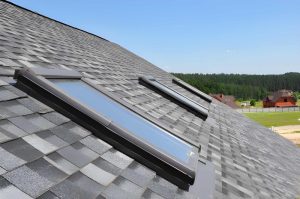
UV also degrades rubber and plastic components faster than the roof covering itself. Pipe boot collars, vent gaskets, and skylight seals commonly fail first, often within 8 to 12 years in hot climates.
South and west exposures typically show wear five or more years ahead of north-facing slopes on the same roof.
Effects On Shingles, Tiles, And Metal Roofing
Each material fails in a predictable pattern.
| Material | Common Heat-Related Issues |
|---|---|
| Asphalt shingles | Blistering, granule loss, curling, softened shingles that scuff under foot traffic |
| Clay and concrete tile | Cracking from thermal stress, deteriorated underlayment beneath intact tile |
| Metal panels | Oil canning, loosened fasteners, worn expansion joints, coating chalking |
| Flat membranes (TPO, EPDM, mod-bit) | Seam separation, blistering, shrinkage pulling at edges |
Tile roofs deserve specific attention. The tile itself may last 50 years, but the felt or synthetic underlayment underneath — the actual waterproofing layer — often dries out and cracks in 20 to 25 years under high heat.
Metal roofs handle heat well overall, though panel movement gradually enlarges fastener holes on exposed-fastener systems. Standing-seam designs accommodate that movement by design, which is why they perform better on long runs in hot regions.
Protecting Your Property From Extreme Heat
Heat damage rarely appears overnight, which is why catching early indicators and correcting airflow problems matters more than reacting to a leak. The three areas below cover what to inspect, which upgrades reduce roof surface temperatures, and how to build a maintenance schedule that fits residential and commercial properties.
Warning Signs That Need Professional Attention
Certain symptoms point directly to thermal stress rather than storm damage.
- Curling or clawing shingle edges, often starting on south- and west-facing slopes
- Granule loss collecting in gutters or at downspout outlets
- Blistering or bubbling on flat and low-slope membranes, caused by trapped moisture vapor
- Cracked or brittle flashing sealant around vents, skylights, and chimneys
- Attic temperatures exceeding 130°F on a summer afternoon
- Rising cooling bills with no change in usage habits
Interior clues count too. Ceiling stains, a musty attic smell, or nail heads pushing through decking suggest the roof assembly is expanding and contracting more than it should.
Any of these findings justify a professional inspection before the next heat cycle compounds the problem.
Ventilation, Insulation, And Reflective Roofing
Balanced ventilation is the foundation. Intake at the soffits paired with exhaust at the ridge lets superheated air escape, and most codes call for roughly 1 square foot of net free vent area per 300 square feet of attic floor when a vapor barrier is present.
Insulation handles the second half of the job. R-38 to R-60 in attic floors, depending on climate zone, keeps conditioned air from bleeding into a hot attic space.
| Upgrade | Primary Benefit |
|---|---|
| Ridge and soffit vents | Removes trapped heat and moisture |
| Radiant barrier sheeting | Reflects radiant heat away from decking |
| Cool-roof coatings (elastomeric, acrylic) | Lowers surface temperature on flat roofs |
| Light-colored or reflective shingles | Reduces solar absorption |
| Concrete, clay tile, or standing-seam metal | Higher heat tolerance and longer service life |
Solar reflectance index ratings help compare products directly. Higher SRI values mean less absorbed heat.
Maintenance Practices For Homeowners And Company Owners
Schedule inspections twice a year — once before peak summer heat and again after it passes.
Between visits, keep gutters clear so water drains freely, trim branches that scrape the surface, and check that vents are not blocked by insulation or debris. Flat commercial roofs need drains and scuppers checked more often, since standing water accelerates membrane breakdown.
Reseal flashing and penetration points as the sealant ages, typically every three to five years.
Document everything. Dated photos and written inspection reports strengthen warranty claims and insurance filings, and they show whether a problem area is stable or getting worse.
For commercial buildings, tie roof checks to your existing HVAC service schedule — rooftop units are a common source of foot traffic damage and condensate leaks.