
When temperatures drop, your roof works harder than at any other time of year. Cold air, snow, ice, and shifting temperatures all put pressure on materials that were installed to handle heat and sun just as much as frost.
Cold weather affects your roof primarily by making asphalt shingles brittle, weakening adhesive seals, and creating freeze-thaw cycles that widen small gaps into active leaks. Add ice dams along the eaves and wind-driven rain under loosened shingles, and a minor issue in October can become water damage by February.
The good news is that most winter roof problems are predictable, which also makes them preventable. Knowing which parts of your roofing system are most vulnerable in cold conditions helps you decide what to inspect, what to repair now, and when to bring in a professional.
Key Takeaways
- Cold temperatures make shingles brittle and weaken the adhesive seals that hold them in place.
- Freeze-thaw cycles and ice dams stress flashing, fasteners, and seams, which often leads to leaks.
- Seasonal inspections and timely professional repairs prevent small winter issues from turning into major damage.
Cold-Weather Risks to Roofing Systems
Falling temperatures put stress on roofing materials in three main ways: repeated freezing and thawing that fractures shingles and flashing, accumulated snow and ice that adds weight to the structure, and meltwater that refreezes at the eaves and forces its way under the roof covering.
Freeze-Thaw Expansion and Material Cracking
Water that seeps into small cracks expands roughly 9% when it freezes, widening those openings a little more with each cycle.
Asphalt shingles lose flexibility below about 40°F. Walking on them, or high winds lifting the edges, can snap the mat instead of bending it.
Watch for these signs of freeze-thaw damage:
- Hairline cracks across shingle surfaces or granule loss in patches
- Lifted or curling edges where sealant strips never fully bonded
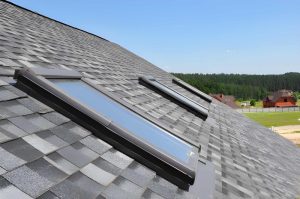
- Split flashing seams around chimneys, skylights, and sidewalls
- Failed sealant at pipe boots and penetrations
Metal components expand and contract at different rates than the deck beneath them, which gradually loosens fasteners and opens gaps at laps.
Snow and Ice Load Concerns
Snow weight varies significantly with moisture content, which matters more than depth alone.
| Type of Accumulation | Approximate Weight |
|---|---|
| Fresh, dry snow | 3–5 lbs per cubic foot |
| Packed or wet snow | 12–20 lbs per cubic foot |
| Solid ice | about 57 lbs per cubic foot |
A foot of wet snow across a 1,500-square-foot roof can add several tons of load.
Low-slope commercial roofs are especially vulnerable because snow does not shed on its own, and drifting behind parapets or rooftop units creates uneven concentrations.
Signs of overloading include sagging ceilings, doors that stick, and new cracks in interior drywall. Clogged or frozen drains compound the problem by holding meltwater on the surface.
Ice Dams and Water Intrusion
Ice dams form when heat escaping through the attic warms the upper roof deck, melting the snow above it. That water runs down to the cold eave and refreezes.
The resulting ridge of ice blocks drainage. Water then pools behind the dam and works backward under the shingles, since shingles shed water by gravity rather than sealing against standing water.
Common consequences include:
- Stained or sagging ceilings along exterior walls
- Wet, compressed insulation that loses R-value
- Rotted roof decking and fascia boards
- Gutters pulled loose by the weight of hanging ice
Adequate attic insulation, sealed air leaks, and balanced intake and exhaust ventilation keep the deck temperature uniform, which is the practical fix for recurring ice dams.
Inspection, Maintenance, and Professional Support
Cold-weather roof problems usually announce themselves in small ways — a stain on a ceiling, granules in the gutter, a shingle in the yard — long before a full leak develops. Catching those indicators early, keeping up with seasonal maintenance, and knowing when a repair exceeds DIY territory are what keep a winter issue from becoming a structural one.
Warning Signs Homeowners and Company Owners Should Watch For
Most cold-weather damage is visible from the ground or from inside the building. Check for these:
- Ice buildup along eaves or gutters, especially thick ridges or icicles hanging from the roof edge
- Water stains or discoloration on ceilings, in attic sheathing, or along interior wall tops
- Missing, curled, or cracked shingles after a wind event
- Granules collecting in gutters or downspouts, indicating shingle wear
- Frost or condensation on the underside of attic decking, a sign of trapped moisture and poor ventilation
- Loose or separated flashing around chimneys, vents, and skylights
- Sagging areas in the roof deck or ceiling drywall
For commercial flat roofs, also watch for ponding water that refreezes and seam separation at membrane joints.
Preventive Steps Before and During Winter
A short maintenance list handles most of the risk.
Before temperatures drop:
| Task | Why It Matters |
|---|---|
| Clean gutters and downspouts | Blocked drainage causes ice dams and backed-up meltwater |
| Trim overhanging branches | Reduces damage from ice-loaded limbs and abrasion |
| Verify attic insulation depth | Limits heat loss that melts snow unevenly |
| Confirm soffit and ridge vents are clear | Balanced airflow keeps deck temperatures stable |
| Seal gaps around vents and chimneys | Prevents moisture entry at common leak points |
During winter, clear snow from the lower three to four feet of the roof with a roof rake when accumulation is heavy, and avoid chipping at ice with tools that can puncture shingles or membrane. Keep an eye on attic humidity after storms.
When to Contact Specialty Roofing of CA
Call for a professional evaluation when you notice active leaking, persistent ice dams, sagging decking, or damaged flashing — these require assessment beyond a visual check from the ground.
Also schedule an inspection after any significant wind, hail, or heavy rain event, and at least once before winter begins. Documentation from a professional inspection is often useful when filing an insurance claim.
Walking a cold, wet, or icy roof carries real fall risk. Specialty Roofing of CA has the equipment and experience to inspect safely, identify the source of a problem accurately, and recommend repairs suited to the material and the season.